Featured Article
Why financial literacy must begin early
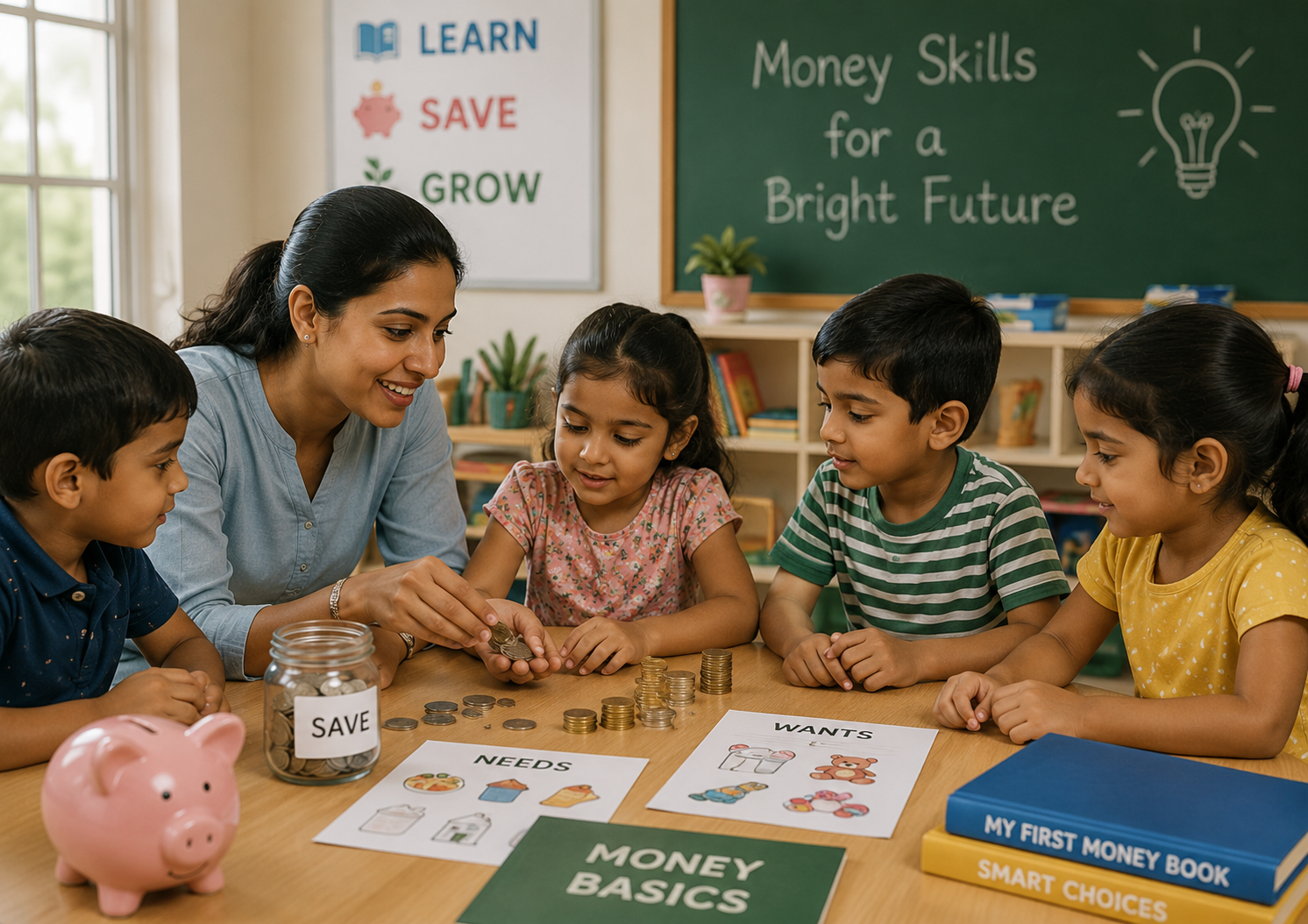
Children form money habits long before adulthood. When schools introduce saving, budgeting,
needs versus wants and responsible choices early, students start seeing money as a life skill,
not just a subject.
FLQ Knowledge Foundation focuses on experiential learning so financial concepts become simple,
memorable and useful in everyday family conversations.
 Educators
Making money lessons classroom-friendly
Financial education works best when it feels like activities, stories and decisions students
can relate to. Short tasks, role play and group reflection make concepts easier to absorb.
 Families
How parents can build healthy money habits
Simple routines like planning a small budget, comparing choices and setting saving goals help
children understand value, patience and responsibility at home.
 Impact
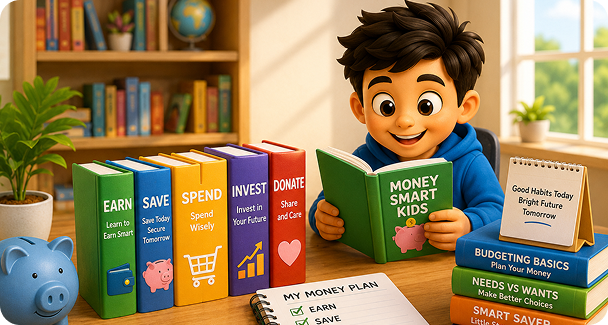
From awareness to measurable behavior change
The real success of financial literacy is visible when students ask better questions, make
thoughtful choices and carry practical money confidence into daily life.
Saving
Small goals teach discipline and delayed gratification.
Needs vs Wants
Students learn to compare choices before spending.
Goal Setting
Clear financial goals make learning practical.
Community Impact
Money awareness strengthens families and society.